Growing a strong social media following is a crucial component of any successful digital marketing strategy. However, the approach you take to grow your following can have a significant impact on your success. In general, there are two approaches: growing vertically and growing horizontally. But what do these terms mean, and which approach is right for you?
Growing vertically refers to attracting followers within a specific niche or industry. This strategy involves creating highly targeted content that appeals to a specific audience. The benefit of this approach is that you will attract followers who are highly engaged and likely to interact with your content. These followers are also more likely to convert into customers, as they have a strong interest in what you have to offer. The downside of vertical growth is that it can be slow, as it requires a lot of effort to build a dedicated following within a specific niche.
On the other hand, growing horizontally refers to attracting followers across different niches or industries. This strategy involves creating more general content that can appeal to a wider audience. The benefit of this approach is that it can lead to faster growth, as you are casting a wider net and attracting a more diverse audience. The downside of horizontal growth is that it can lead to lower engagement rates, as your audience may not be as invested in your content as a vertical audience.
So, which approach should you prioritize? The answer depends on your goals and the nature of your business. If you are a small business with a highly specific niche, then vertical growth may be the best option for you. By focusing on a highly engaged, niche audience, you can build a strong brand presence and establish yourself as a thought leader in your industry. If you are a larger brand or business, then horizontal growth may be a more viable strategy. By attracting a diverse audience, you can increase your brand awareness and reach a larger customer base.
Ultimately, the key to social media success is finding the right balance between vertical and horizontal growth. By leveraging both strategies, you can build a strong, engaged following while also expanding your reach and increasing your brand awareness. Remember that social media is not a one-size-fits-all solution, and it is important to experiment with different approaches to find what works best for you.
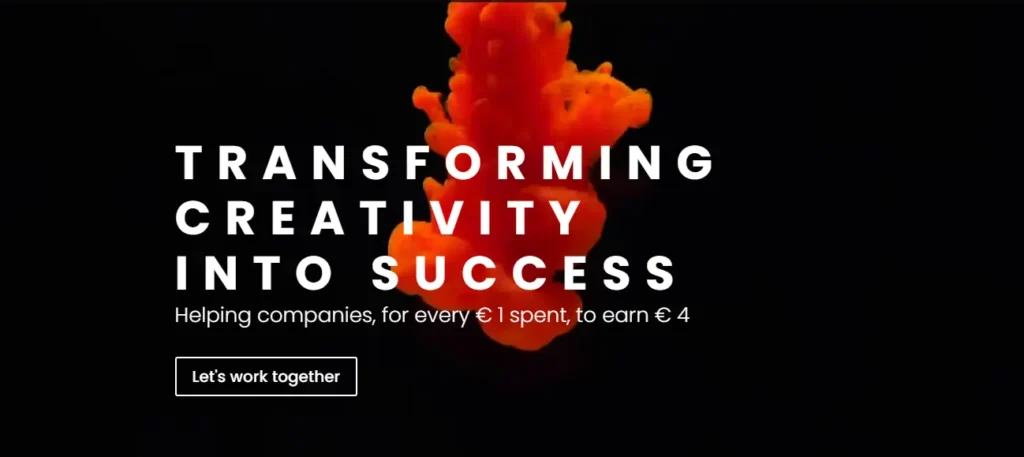
Are you tired of not getting enough traffic to your website? Are you struggling to attract new customers and grow your business? Look no further! Our team of experts provides exceptional website design services, web development, and online marketing services to help your business thrive in today's digital world.
Our Services:
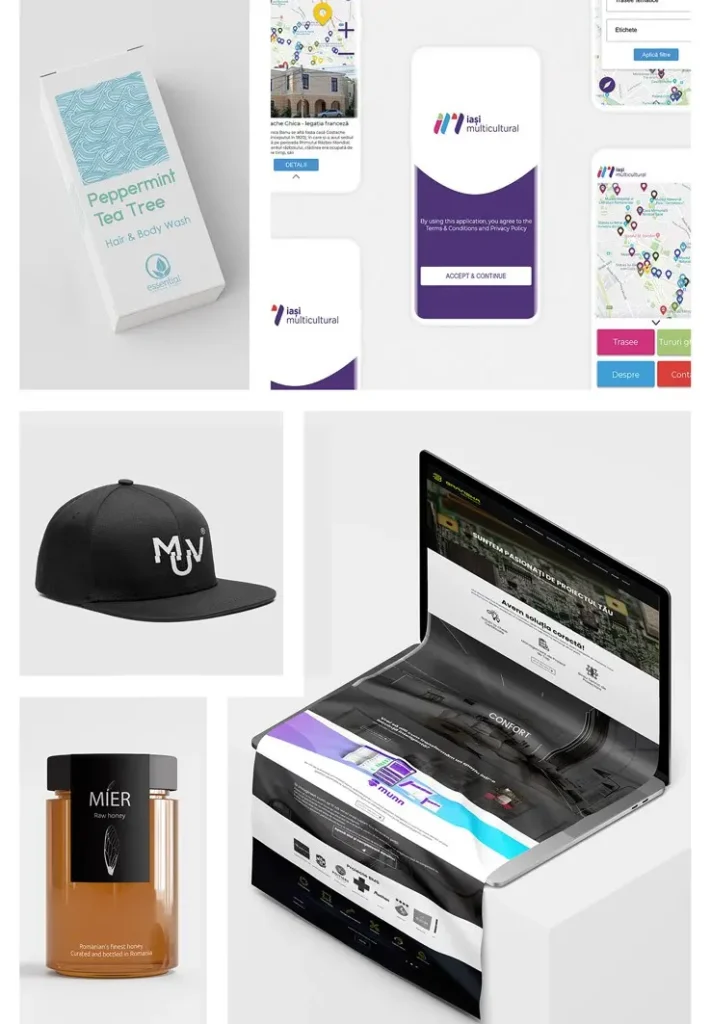
At our Web Development and Online Marketing Company, we are committed to providing exceptional services that exceed your expectations. We work with you to understand your unique needs and create customized strategies to help you achieve your business goals. With our expertise, you can be confident that you are investing in the success of your business.
Contact us now to take advantage of this limited time offer and start growing your business! Call us at +40771486499 or send us an email at visience.ro@gmail.com. We look forward to hearing from you!
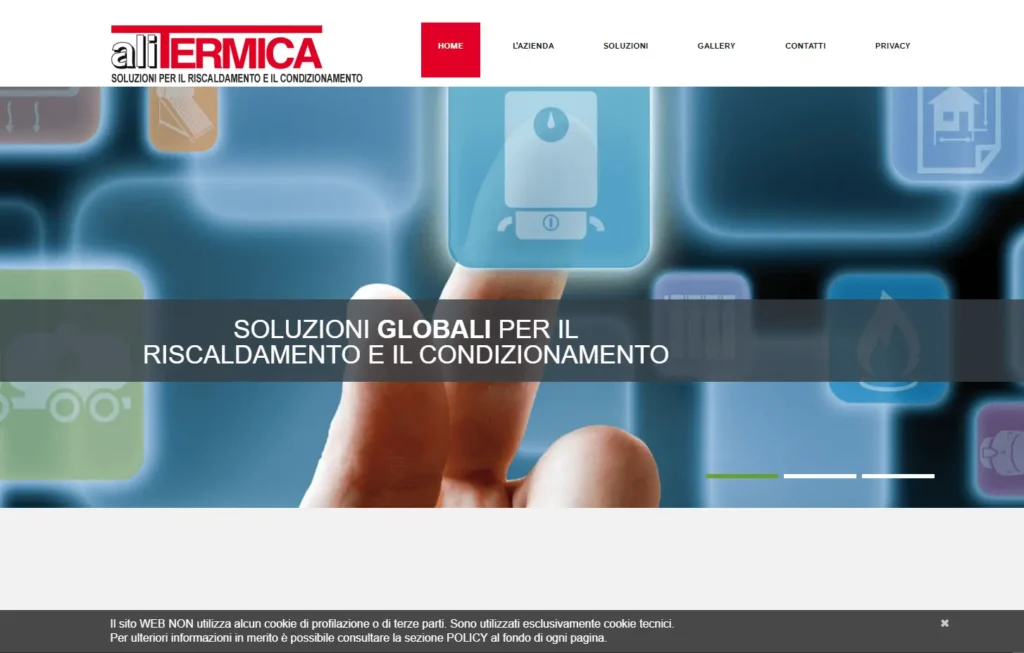
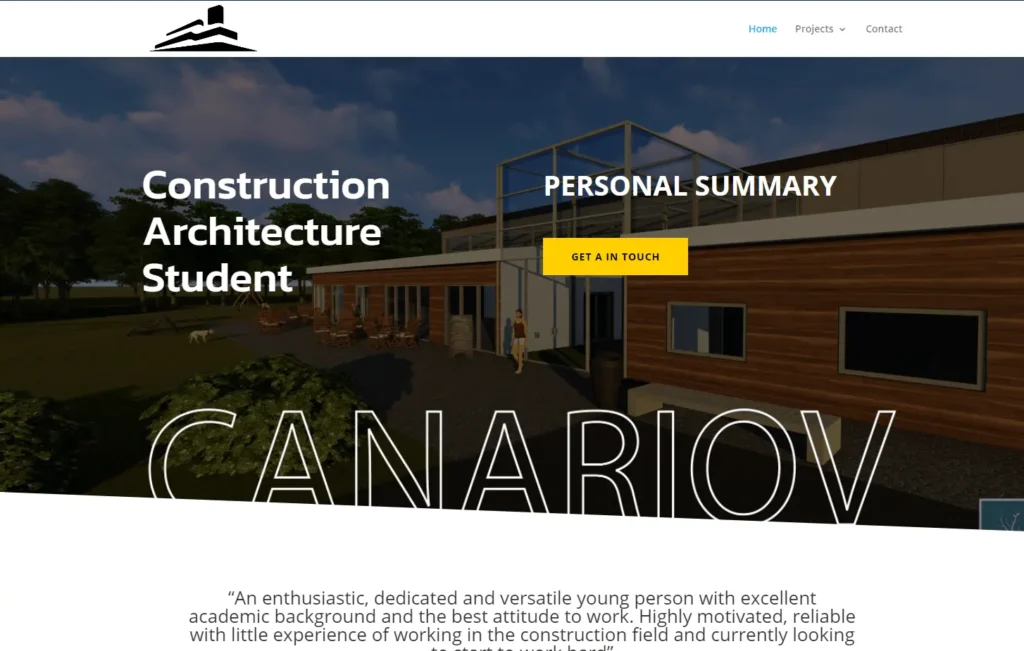
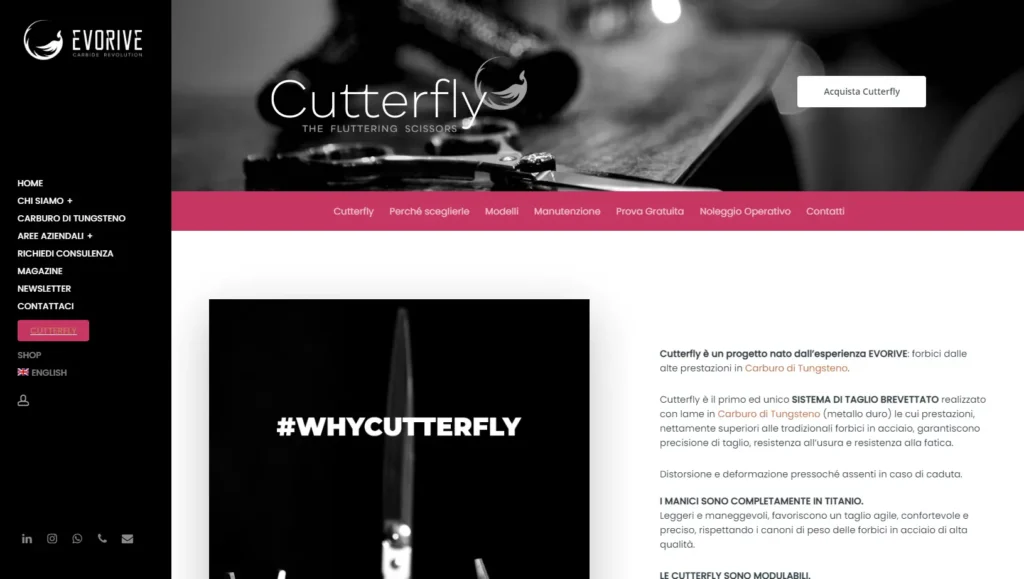
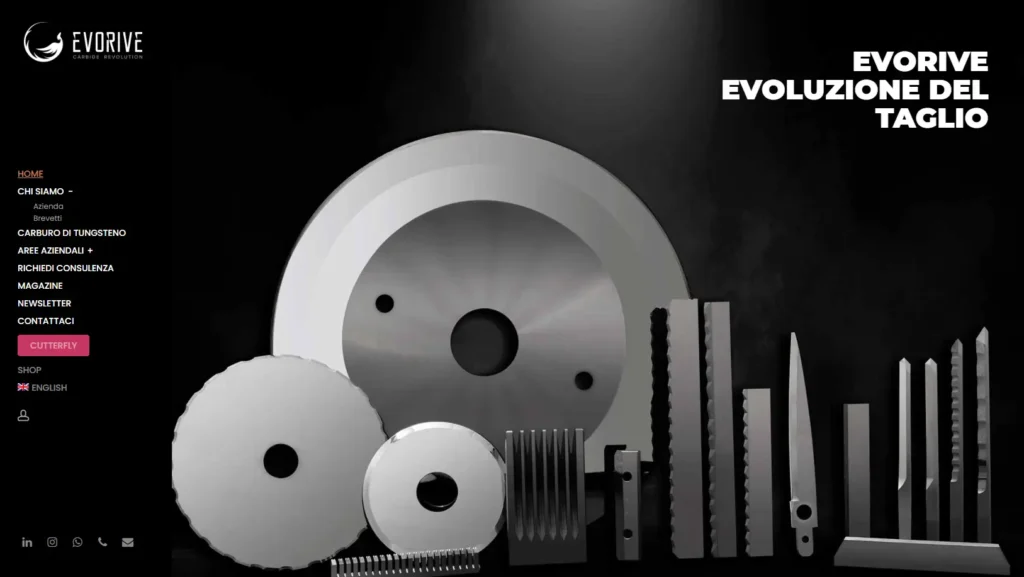
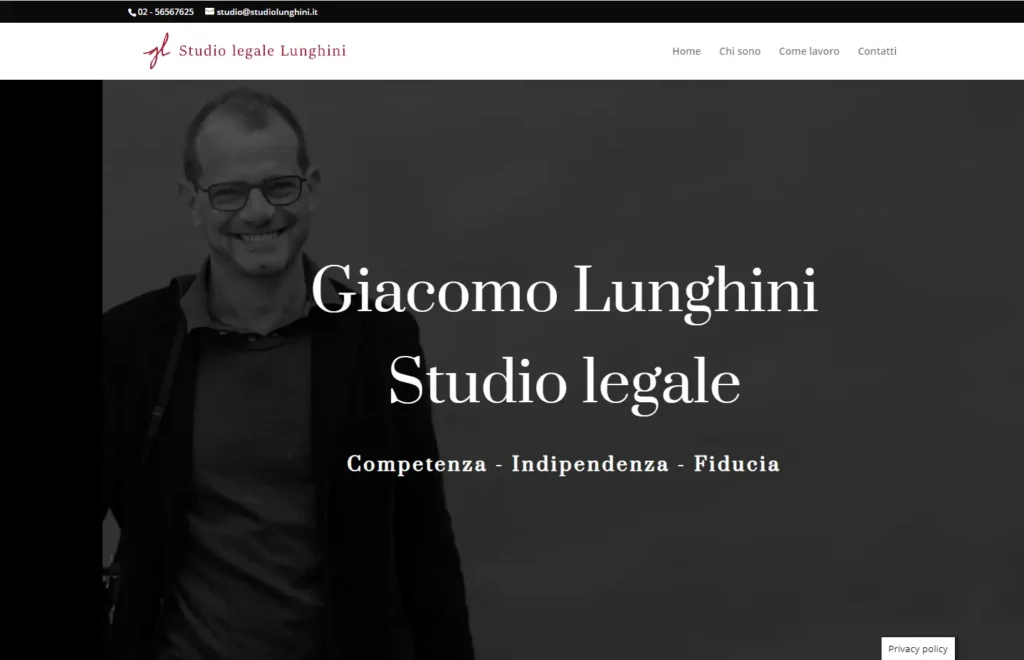
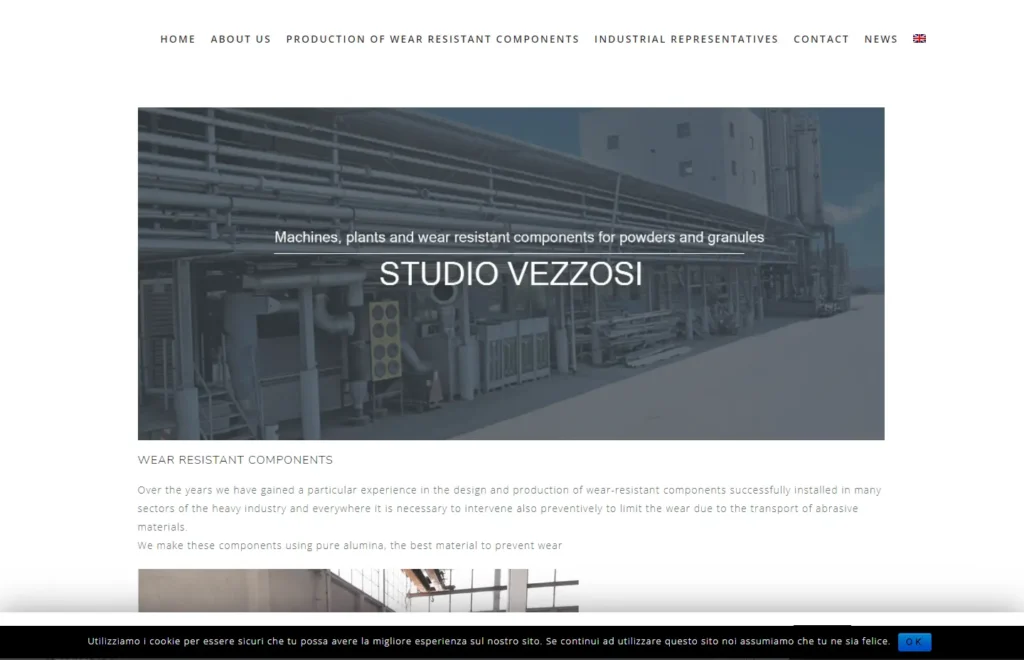
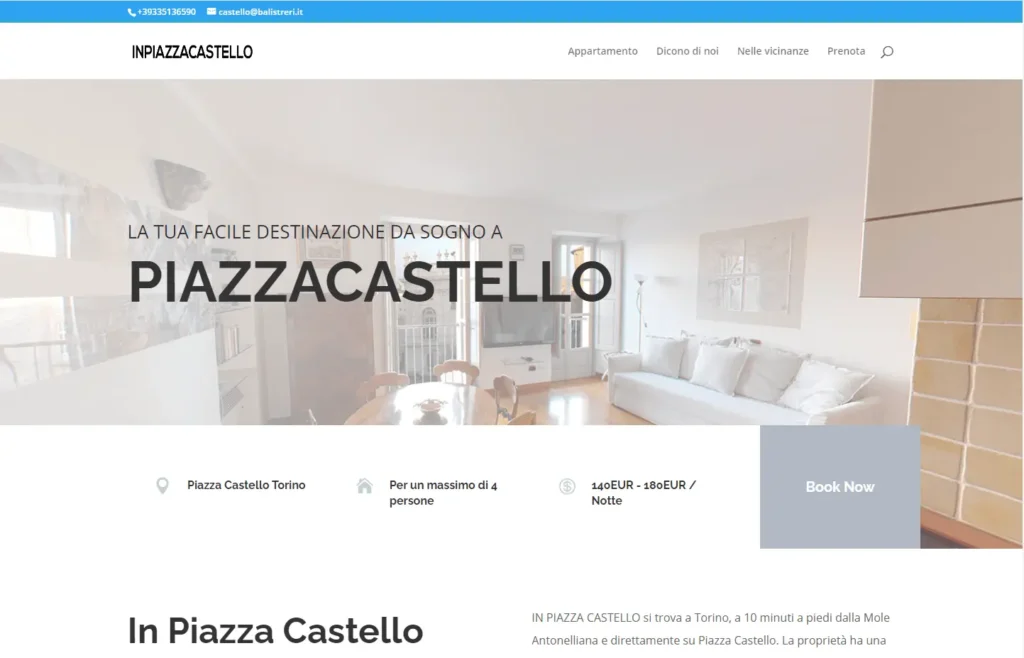

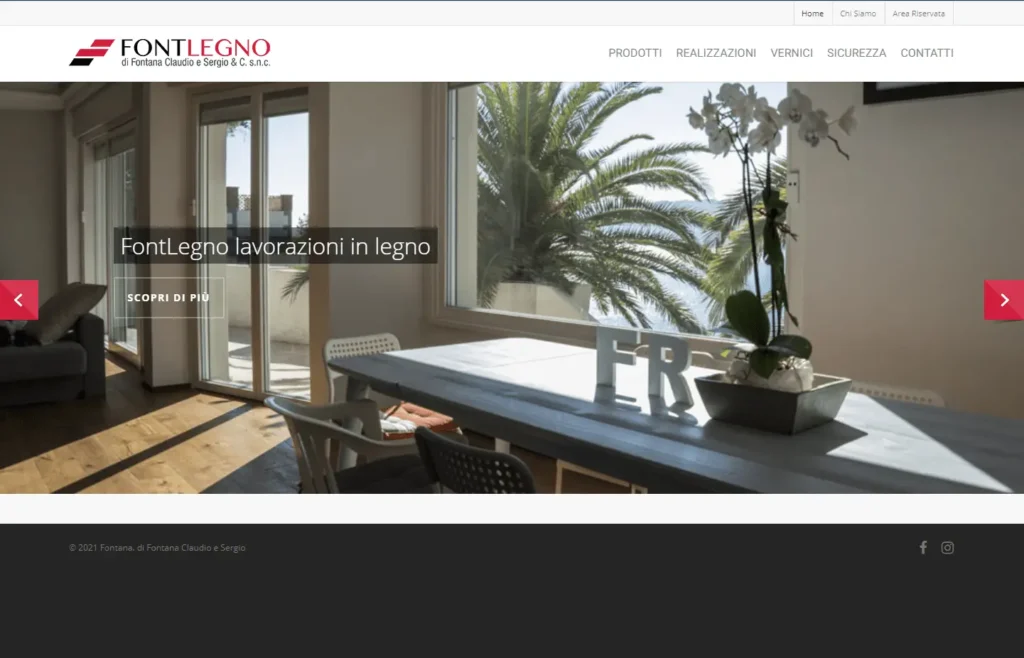
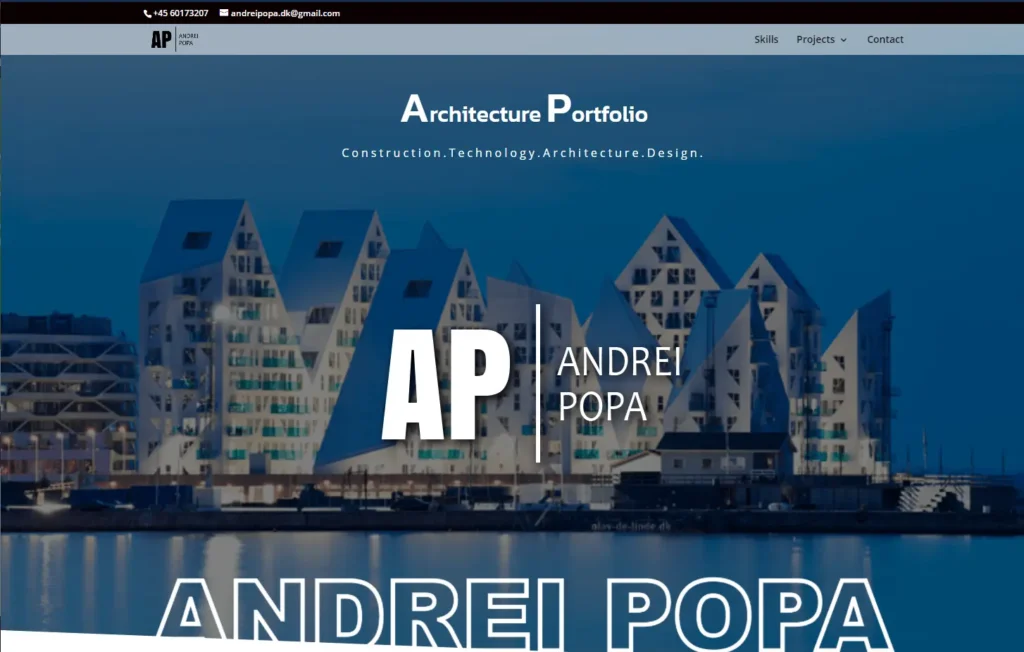
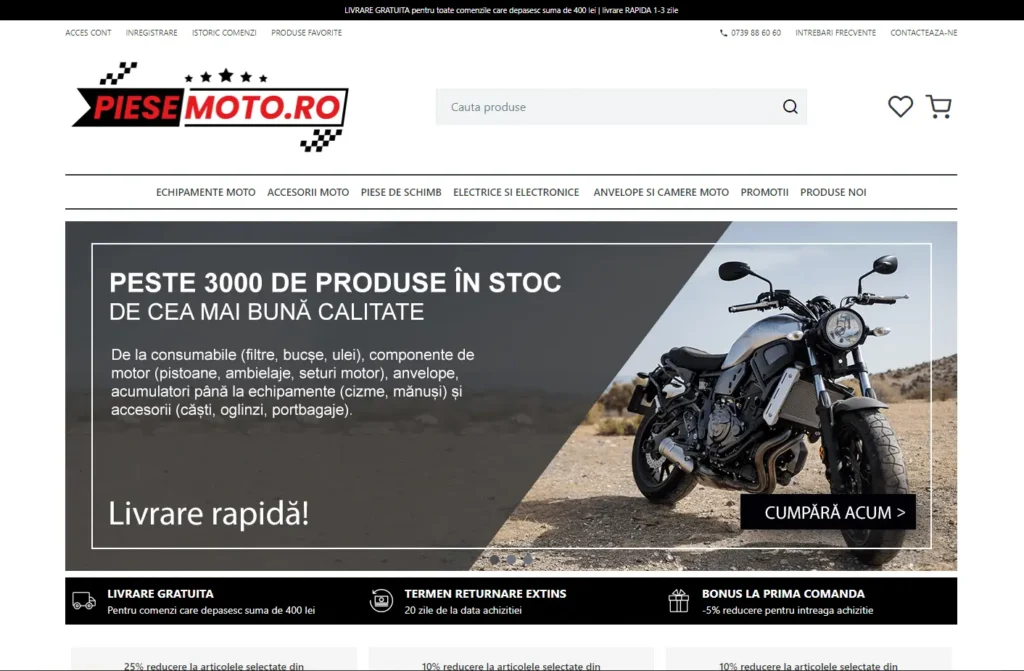
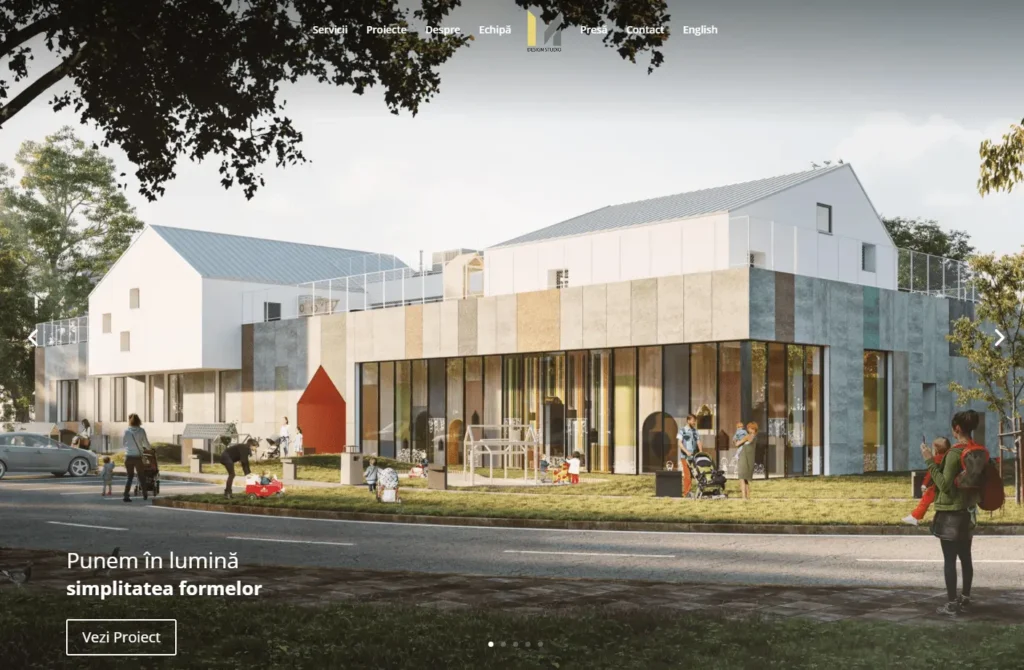
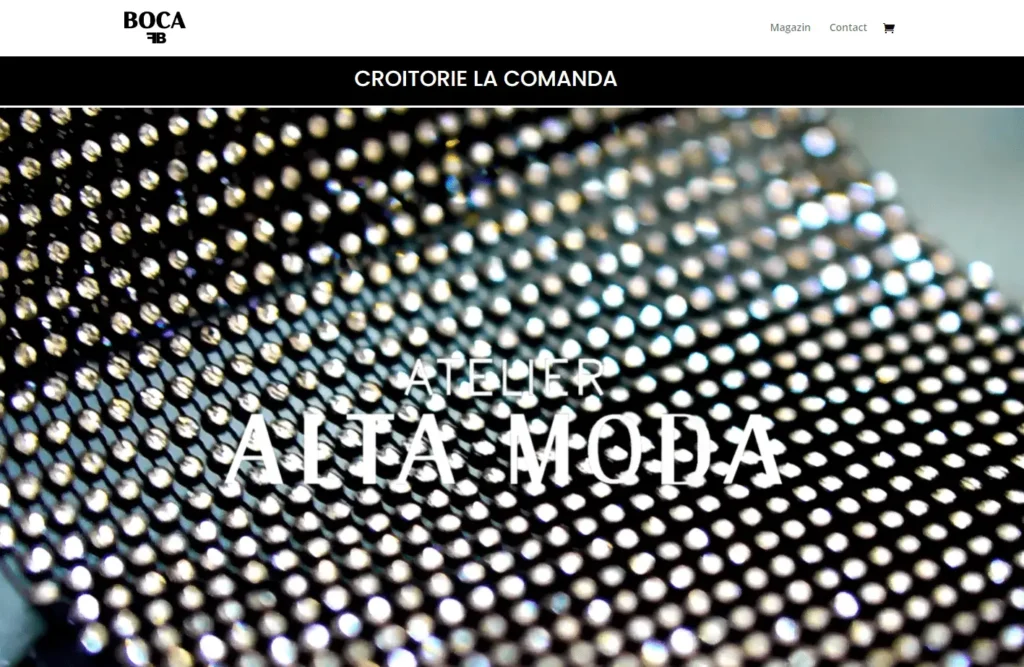
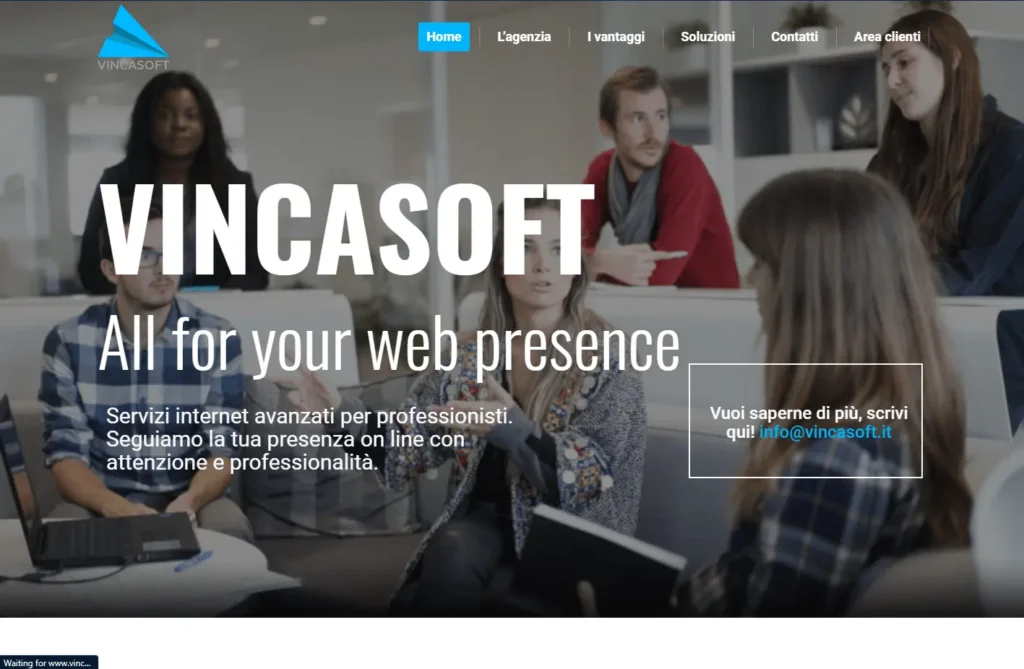
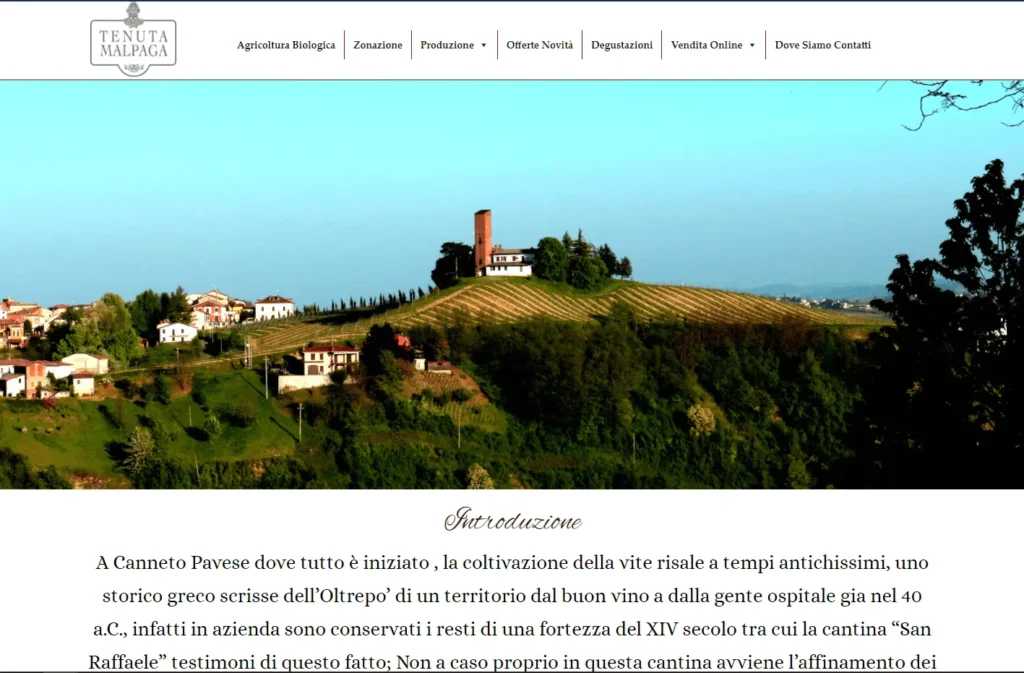
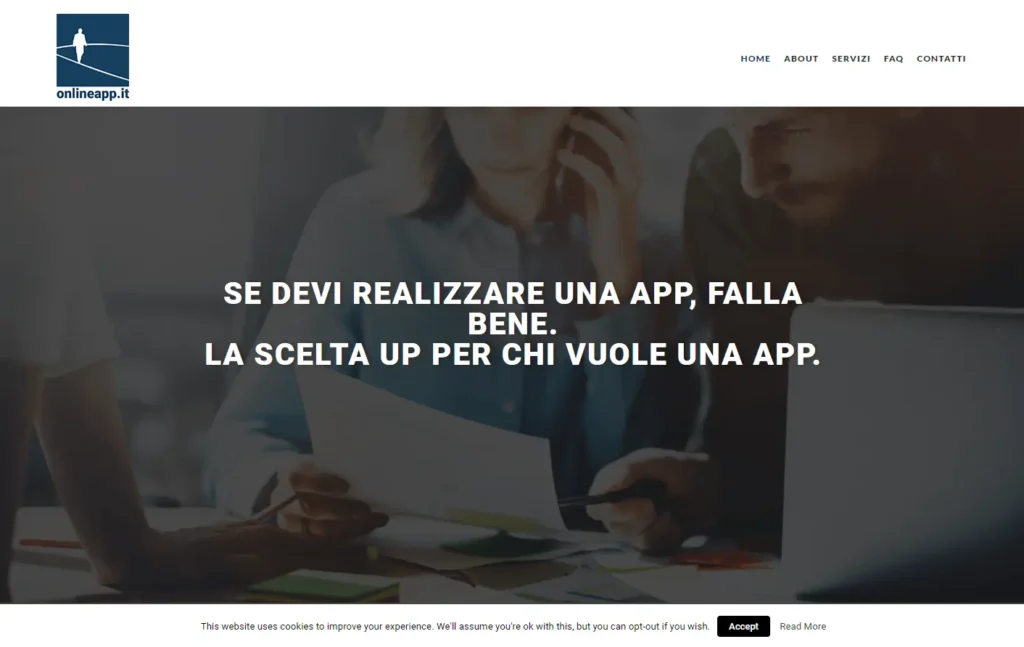
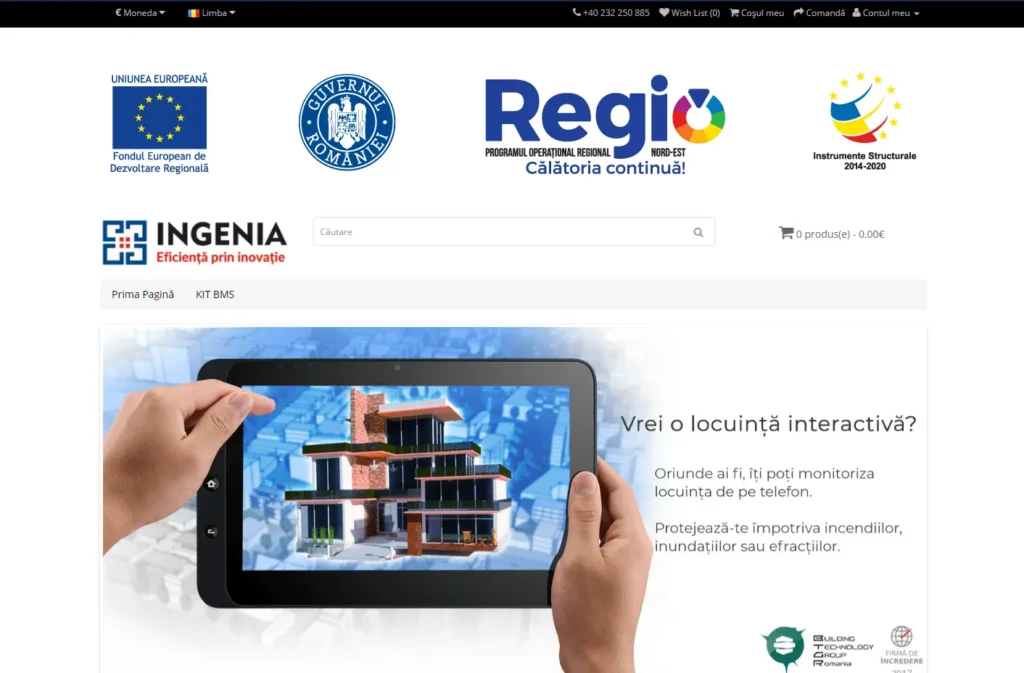
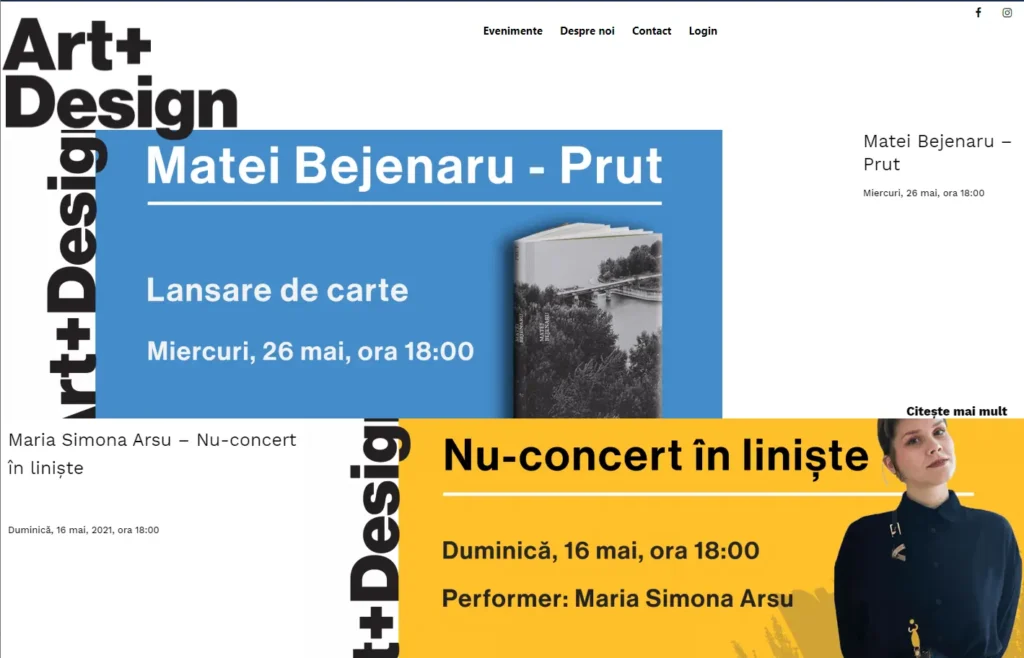
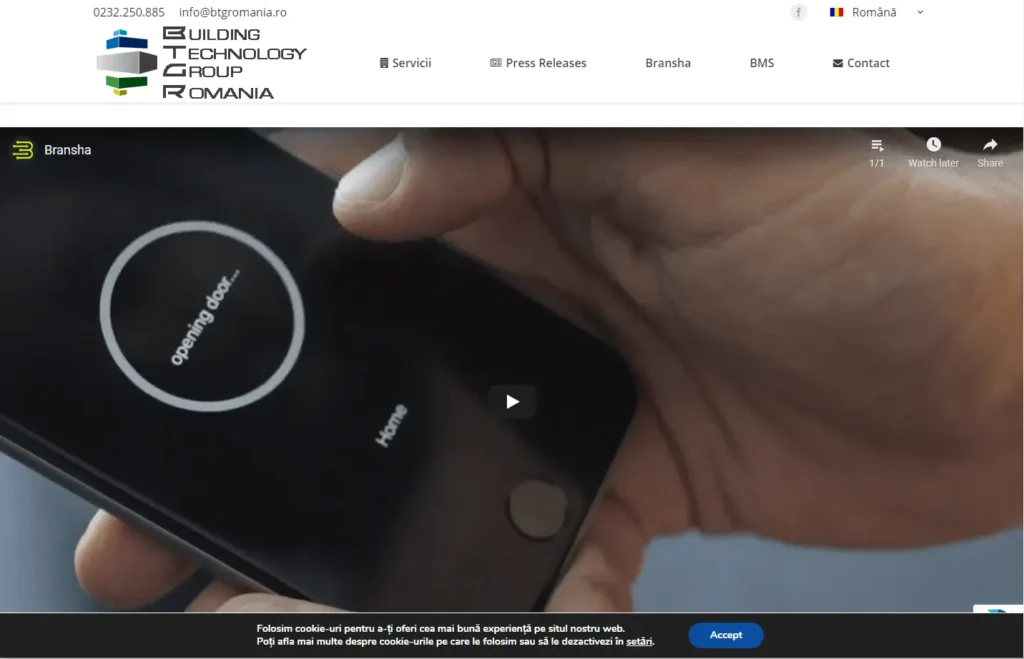
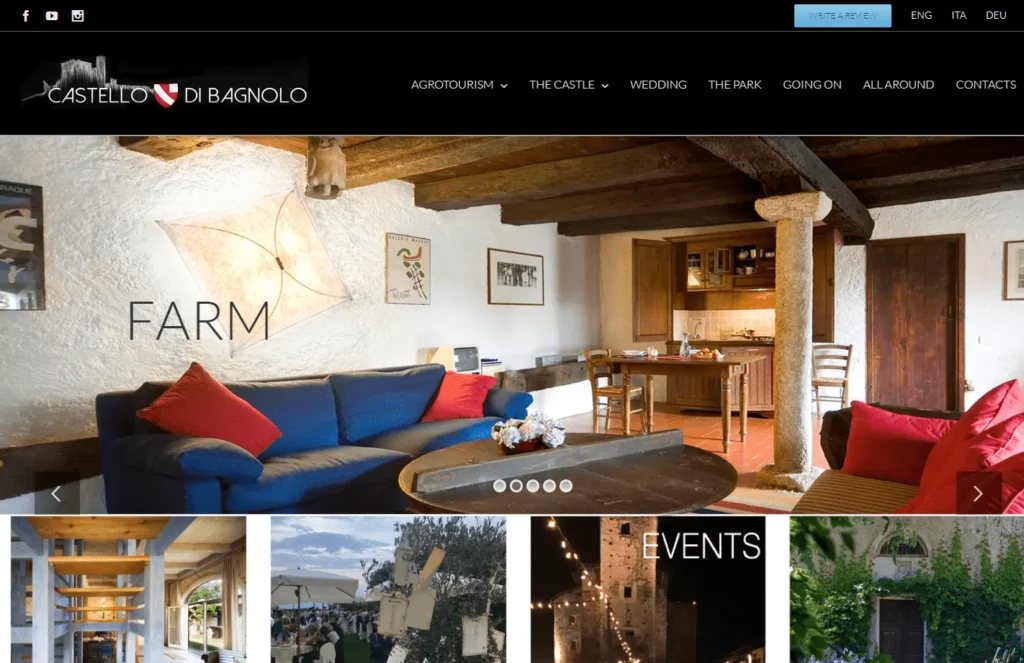
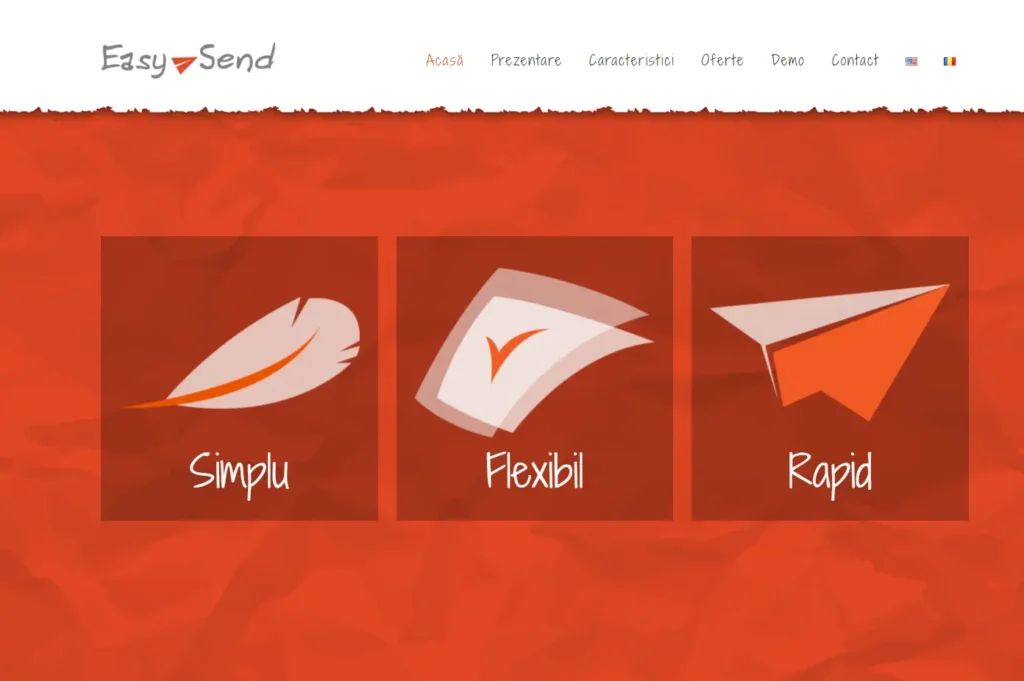
In today's world, having a strong online presence is crucial for any business or individual. However, not everyone has access to high-quality images or the budget to hire a professional graphic designer. That's where free image upscaling websites come in handy. In this post, we'll be sharing three websites that can help you enlarge your images for free.
Pixelcut.ai/tools/image-upscaler
Pixelcut is a website creation company that offers a variety of tools to help with online promotion, SEO, market research, and more. Their image upscaler tool is easy to use and produces high-quality results. Simply upload your image and select the desired size, and the tool will enlarge your image while maintaining its quality.
Zyro.com/tools/image-upscaler
Zyro is a web design services company that provides affordable web design services to businesses and individuals. Their image upscaler tool is free to use and produces great results. All you have to do is upload your image and select the desired size, and the tool will do the rest.
Media.io/image-upscaler.html
Media.io is an online promotion platform that offers a variety of tools to help with online promotion, market research, and more. Their image upscaler tool is easy to use and produces high-quality results. Simply upload your image and select the desired size, and the tool will enlarge your image while maintaining its quality.
Whether you're looking to improve your website's design or simply need high-quality images for your online promotion, these free image upscaling websites can come in handy. With just a few clicks, you can enlarge your images and make them look professional.

At Visience, we know how important it is for businesses to stay on top of the latest social media trends and announcements. However, we also know that not all announcements are created equal. That's why we're here to share our insights on why Instagram's latest announcement about going back to photos shouldn't be your top priority as a business owner.
While it's true that Instagram's algorithm changes can have a direct impact on your content's performance and sales, we've found that the most effective way to reach your target audience and drive conversions is by leveraging the power of TikTok.
Through our extensive research, we've discovered that TikTok is not only a highly engaging platform but also a powerful search engine. By creating content that resonates with your target audience, you can attract new followers and potential customers who are actively searching for businesses like yours.
Once you've captured their attention on TikTok, it's important to guide them towards your Instagram account, where they can learn more about your brand, products, and services. However, instead of focusing all your energy on your Instagram feed, we recommend using your feed content as a landing page and prioritizing your Instagram stories.
Why? Because stories are where the majority of conversions happen. By providing value and educational content in your stories, you can build trust with your audience and ultimately convert them into paying customers.
So, while Instagram's announcement may have caused a stir among some marketers, we believe that the real opportunity lies in leveraging TikTok and Instagram stories to drive visibility, engagement, and sales. At Visience, we're here to help you navigate the ever-changing world of social media and create a winning strategy that works for your business.
Flyers are a great way and cost-effective to promote a business, event, or product, and creating them is easier than you might think. However, creating an effective flyer involves more than just making it look good. Practical design is better than beautiful design because it communicates the intended message clearly and effectively.
Creating a flyer is a simple process that can help you reach your target audience and achieve your goals. By following these steps and taking the time to create a well-designed flyer, you can create a powerful marketing tool that will help you promote your business or event.
By following these steps and using one of these online flyer makers, you can create a professional-looking flyer in no time.
In recent years, we've seen a trend towards "Blanding" - simplifying brand logos and designs to make them more approachable and familiar. However, this trend is starting to fade out, as brands realize that a bland and generic look won't help them stand out in a crowded marketplace.

Instead, we're seeing a shift towards a more maximalist approach to branding. This trend has been dubbed "Heritage Maximalism," and it's all about embracing bold aesthetics, ornate designs, and eye-catching logos. Burberry's new logo is a great example of this trend - it's heavier and bolder, with a geometric sans-serif treatment that makes it stand out from the crowd. Gucci has also been embracing this style for a while, with its iconic logo and maximalist designs.
But it's not just high fashion brands that are going maximalist. We're seeing the use of serif fonts, hand-drawn designs, and ornate logos across a wide range of industries. Whether you're a tech company, a consumer goods brand, or anything in between, embracing Heritage Maximalism can help you differentiate yourself from the competition and make a bold statement to potential customers.
So why the shift away from Blanding and towards maximalism? The answer is simple - in a crowded marketplace, it's hard to stand out and make a lasting impression when every brand looks the same. By embracing maximalism, brands can differentiate themselves and create a unique identity that resonates with customers. Whether it's through ornate designs, bold colors, or eye-catching typography, maximalism allows brands to create a visual language that is memorable and distinctive.
Of course, there are legal considerations to take into account when it comes to rebranding. Trademark rights are amassed and maintained through consistent use of a mark, so changing a brand's logo or design could result in complications. However, for those who are willing to take the risk, the reward could be worth it. By embracing Heritage Maximalism and creating a bold, distinctive brand identity, you can stand out in a crowded marketplace and make a lasting impression on potential customers.
So don't be afraid to go big and bold with your branding. Embrace Heritage Maximalism and create a visual language that sets your brand apart from the competition. Your customers will thank you for it.
Heritage Maximalism is not just a fleeting trend in the world of branding; it has deep historical and cultural roots that stretch back to artistic movements and design philosophies from centuries past. To truly understand the power of this approach, it’s important to recognize that maximalism in branding today is a continuation of longstanding traditions that celebrate opulence, craftsmanship, and attention to detail.
The origins of maximalism can be traced back to periods like the Baroque era, where art, architecture, and design were all about grandeur and exuberance. The Baroque style, characterized by intricate details, bold forms, and dramatic contrasts, laid the foundation for an aesthetic that embraced more rather than less. Similarly, movements like Art Deco in the early 20th century revived this love for rich ornamentation with its geometric shapes, bold colors, and lavish materials.
These influences are being revived in contemporary branding because they tap into an inherent human appreciation for beauty, complexity, and history. In a world dominated by sleek minimalism, where many brands start to look indistinguishable, returning to heritage-inspired aesthetics offers a way to stand out while evoking a sense of timelessness and authenticity. It creates a visual identity that feels grounded in the past yet relevant for modern audiences.
Moreover, embracing Heritage Maximalism allows brands to communicate more than just a product or service – they tell a story. When consumers encounter a brand with ornate designs, serif fonts, and rich, layered visuals, they are drawn into a narrative of tradition, craftsmanship, and legacy. This is why we see brands not only in high fashion but also in industries like food, beverages, and even technology adopting maximalist elements that harken back to a sense of place and history.
Take the example of Tiffany & Co., which has used its distinctive blue box and timeless serif logo to evoke luxury and heritage for over a century. More recently, Pendleton Woolen Mills has maintained a commitment to intricate, heritage-inspired patterns that reference Native American designs, underscoring a connection to cultural history. These brands showcase how maximalism can be used not merely to be visually striking but to establish a deeper emotional resonance with consumers by celebrating craftsmanship and cultural significance.
In essence, the rise of Heritage Maximalism is not just about visual appeal; it is a response to the growing desire for authenticity in branding. As consumers increasingly seek brands that stand for something meaningful, maximalism provides the perfect canvas for storytelling – one that is as layered and complex as the identities these companies seek to build.

Coca-Cola is a prime example of a brand that has successfully navigated the delicate balance between heritage and modernity. As one of the most recognizable brands in the world, Coca-Cola has a long history rooted in tradition. Its iconic red-and-white color scheme and flowing Spencerian script logo have remained largely consistent since the late 19th century, embodying a sense of nostalgia and timelessness. However, Coca-Cola has never rested on its laurels; it has continually evolved its visual identity to keep pace with modern tastes and trends.
At the core of Coca-Cola’s branding success is its ability to blend heritage with maximalist design elements. Over the years, the brand has consistently introduced rich, layered visuals that add depth to its identity, particularly through seasonal campaigns, limited-edition packaging, and global marketing initiatives.

A perfect example of Coca-Cola’s maximalist approach can be found in its limited-edition packaging for events such as the Olympics, holiday seasons, and collaborations with artists. During the holidays, Coca-Cola often amplifies its heritage identity with intricate, decorative packaging that features elements like the classic Santa Claus illustration, snowflakes, and hand-drawn winter scenes. These designs evoke a sense of nostalgia while also standing out on shelves with bold, eye-catching visuals. The addition of gold foil, detailed embossing, and playful typography gives the packaging a luxurious, celebratory feel that taps into the emotional significance of shared moments around the holiday table.
Additionally, Coca-Cola’s use of ornate typography in various campaigns further accentuates its maximalist tendencies. Whether it's swirling calligraphy or bold, attention-grabbing type, the brand uses typography not only as a functional element but also as a visual anchor that enhances the emotional appeal of the product.
Beyond packaging, Coca-Cola has embraced maximalist design principles in its advertising and marketing. The brand often uses a layered, collage-like approach in its campaigns, where various elements—such as vintage photos, hand-drawn illustrations, and abstract patterns—are overlaid to create a rich, multi-dimensional visual narrative. This approach is particularly evident in global campaigns that highlight Coca-Cola’s role in bringing people together across cultures. For example, the “Taste the Feeling” campaign featured lush, dynamic visuals that mixed everyday moments with vibrant colors and bold typography, creating a powerful emotional connection with consumers.
In this way, Coca-Cola uses maximalism not just for visual impact but also for storytelling. The complexity and richness of the designs reflect the brand’s long-standing commitment to togetherness, celebration, and shared experiences, making it more than just a soft drink—Coca-Cola becomes a symbol of joy, connection, and heritage.
Coca-Cola’s ability to adapt maximalism for different cultural contexts also sets it apart. The brand’s regional campaigns often incorporate local motifs, hand-drawn designs, and ornate visual elements that resonate with specific audiences. For example, in Asia, Coca-Cola has used intricate calligraphy and symbols associated with luck and prosperity to tap into local traditions. In Latin America, vibrant colors and hand-painted visuals capture the region’s festive spirit.
This adaptability allows Coca-Cola to maintain its global brand identity while also celebrating local heritage, effectively combining the best of both worlds. The result is a brand that feels both universally recognizable and deeply personal, making it resonate with a wide range of audiences across the globe.

Beyond the visual appeal, Heritage Maximalism taps into a powerful psychological and emotional dynamic that minimalist designs often fail to achieve. By embracing rich, intricate designs, bold colors, and detailed typography, brands that adopt this approach create a deeper emotional connection with their audience. This impact is rooted in several key psychological principles that explain why maximalism resonates so strongly with consumers.
One of the most significant emotional effects of maximalist branding is its ability to evoke a sense of trust and stability. In an era where consumers are bombarded with countless choices and fleeting trends, brands that lean into a maximalist design often project a sense of permanence and credibility. The use of detailed, ornate designs conveys a level of care and craftsmanship that signals to the consumer that the brand has invested time and effort into its identity. This sense of heritage and tradition can foster a deep trust, especially in industries where brand reputation is paramount, such as luxury goods, banking, and high-end consumer products.
Brands like Rolex and Louis Vuitton have long capitalized on this principle. Their ornate logos and intricate designs are not just visually appealing but serve as symbols of the brand's long-standing legacy of quality and excellence. This fosters an emotional connection with consumers who seek products that represent more than just functionality—they want a sense of belonging to something timeless and enduring.
Heritage Maximalism excels at tapping into nostalgia, which is a powerful emotional trigger. People tend to associate maximalist designs with the past—whether it’s through the use of serif fonts reminiscent of old printing presses, or hand-drawn illustrations that evoke a pre-digital era. This nostalgic connection helps brands tell a story, creating a sense of continuity between the past and present. For many consumers, this evokes feelings of comfort and familiarity, especially in uncertain times when they crave connection to something stable and enduring.
Consider how Cadbury, the iconic chocolate brand, has maintained its purple packaging and signature serif logo for over a century. The detailed, classic design reinforces the brand's rich history and evokes fond memories of childhood for many consumers. By doing so, Cadbury doesn't just sell chocolate; it offers an emotional experience tied to tradition, comfort, and the joys of the past.
Maximalism is inherently associated with luxury and exclusivity. The rich, ornate designs often used in this approach signal that a product or service is something special, crafted with care, and worthy of admiration. Bold typography, intricate patterns, and gold foil detailing, for example, all work together to create an aura of exclusivity. This visual language resonates strongly with consumers who seek products that offer not just material value but emotional and symbolic significance.
Luxury fashion houses like Versace have long embraced maximalism to create an air of opulence. The brand's lavish, baroque-inspired designs, with their elaborate gold embellishments and intricate motifs, communicate that wearing Versace is more than just wearing clothes—it's about making a bold, exclusive statement. This emotional connection elevates the brand, allowing consumers to feel like they are part of something elite and distinctive.
In a marketplace saturated with minimalist designs, brands that adopt maximalism often stand out because they are visually memorable. Complex designs, bold color palettes, and intricate logos capture the consumer's attention in a way that minimalist designs may not. This increased visibility leads to stronger brand recall, allowing consumers to remember the brand more vividly, even after just a brief interaction.
Moreover, maximalist branding is often more engaging. It invites the viewer to explore the design, discovering new details and appreciating the craftsmanship behind it. This level of engagement helps build a stronger emotional bond between the brand and the consumer, as it feels more like an experience than a simple interaction. Brands like Johnnie Walker have leveraged this principle through their detailed label designs, which often feature intricate illustrations and storytelling elements, creating a sense of discovery and personal connection with the consumer.

At first glance, Maximalism and Minimalism appear to be polar opposites—one embraces bold, ornate designs, while the other champions simplicity and restraint. However, these two approaches are not as mutually exclusive as they may seem. In fact, many brands find success by blending elements of both styles, creating a balanced and effective visual identity. Understanding how these two design philosophies intersect and complement each other can help brands craft more nuanced, engaging aesthetics.
Minimalism is often defined by its principle of "less is more." It emphasizes clean lines, negative space, and a focus on functionality, stripping away unnecessary details to create a streamlined look. Maximalism, on the other hand, follows the ethos of "more is more." It encourages the use of rich patterns, bold colors, and layered visuals to make a statement. While these approaches are inherently different, they share a common goal: to communicate a brand's identity clearly and effectively.
In today’s competitive market, brands often utilize minimalism for practicality—particularly in digital spaces where clarity and speed are essential—while adopting maximalist elements to create emotional depth and visual intrigue. This blending of styles can result in a highly dynamic brand identity that is both memorable and functional.
For example, a tech company might use minimalist designs for its user interface, ensuring a seamless, intuitive experience for customers. However, when it comes to marketing campaigns or product packaging, the same brand might employ maximalist elements, such as bold typography or ornate visuals, to create a more vibrant, engaging presence. This allows the brand to maintain a clean, user-friendly aesthetic in its core operations while leveraging the emotional and visual impact of maximalism in its brand storytelling.
One way to blend minimalism and maximalism effectively is through the strategic use of negative space alongside maximalist ornamentation. Negative space, a key element in minimalism, can help direct attention to key design elements, making intricate details or bold typography stand out even more. By balancing ornate visuals with sufficient breathing room, brands can avoid overwhelming the viewer, allowing them to appreciate the richness of the design without feeling visually cluttered.
Consider the branding of Apple, which is widely associated with minimalism. Apple’s product designs and marketing often feature ample negative space and clean lines. However, Apple has also incorporated maximalist elements in its special editions or promotional materials—such as vibrant, colorful packaging or elaborate in-store displays—that draw the eye and create excitement. The balance between these two approaches ensures that the brand remains iconic and recognizable while still allowing room for creativity and bold expressions.
Another effective strategy is to use minimalism as a foundational framework and layer it with maximalist accents. For instance, a brand can maintain a minimalist overall layout while incorporating maximalist elements in specific areas, such as typography, iconography, or color schemes. This creates a visual hierarchy where maximalist touches highlight key messages or features, without overwhelming the overall design.
Brands like Nike often take this approach in their advertising. Their product images and website layouts are typically minimalist, focusing on the product with little distraction. However, when launching special campaigns, Nike incorporates bold colors, dynamic typography, and powerful imagery to capture attention and evoke emotion. This combination of minimalist structure with maximalist flair ensures that the brand remains functional while still making a powerful impact when needed.
Ultimately, whether a brand leans towards maximalism or minimalism often depends on the context in which the design will be used. Digital platforms, especially mobile-first interfaces, tend to favor minimalist designs for usability and speed. On the other hand, packaging, print materials, and brand experiences lend themselves well to maximalism, where tactile elements, rich visuals, and detailed typography can be fully appreciated.
The ability to switch between these two styles based on context allows brands to remain flexible, adapting their identity to suit both functional needs and emotional storytelling. The beauty of the maximalist-minimalist relationship lies in the fact that it’s not an either/or proposition—brands can seamlessly integrate both approaches to suit their specific goals and mediums.
In conclusion, while Maximalism and Minimalism are often positioned as opposing forces, they can be successfully combined to create a balanced and compelling brand identity. By understanding when and how to use each approach, brands can leverage the best of both worlds: the simplicity and clarity of minimalism, paired with the richness and emotional impact of maximalism.
Dear Local Business Owners,
You are the source of vitality and energy in our community. Your business brings uniqueness and personality to your neighborhood and creates important jobs. That's why it's essential to promote your business to reach as many people as possible and show them why you're a good choice.
Let's start with an example: a local confectionery promoted its business by organizing a fair of homemade sweets. They posted about the event on social media and distributed flyers in the local area. They also collaborated with a local influencer, thus increasing the number of possible participants. They have attracted many new customers this way and received many positive reviews.
Try different approaches and discover what works best for your business and to reach as many people in your community as possible. You are some of the most important members of this community and deserve to be known and appreciated.
Get involved in your local community by attending events
Attend local events – Register for local events such as local produce fairs, festivals, expos and other community events. This gives you an opportunity to make your business known and meet potential customers. Or as in the example above, host a local produce event where you invite local businesses from the area.
Create a website – Creating a simple website for your business is essential in the digital age. Make sure your website contains information about your products and services, location information and hours of operation. A well-designed website is a 24/7 connection with customers.
Google My Business Listing – Register your business on Google My Business. This will help you get your business noticed in local search results and provide information about your location, hours of operation and customer reviews.
Use Social Media – Use social media such as Facebook, Instagram or Twitter to promote your business and connect with existing and potential customers. Regularly post relevant images and videos, special offers or news.
Collaborate with other local businesses – Collaborate with other local businesses to run joint events or trade promotion. This can help increase the visibility of both businesses and attract new customers. Some examples would be confectioneries with printers that make personalized gifts or hotels with swimming pools or ski slopes.
Distribute flyers or catalogs – Print flyers or catalogs with information about your business and distribute them in your local area. Be sure to include a phone number or website to make it easy for customers to contact you.
These are just a few examples of strategies for promoting a local business. Try different approaches and discover what works best for your business. If you want more details don't hesitate to contact us. +40771486499 or at visience.ro@gmail.ro
Loyalty programs and bonuses are a proven way for businesses to keep customers coming back and increase customer satisfaction. They offer customers rewards and incentives for their repeat business and help build a sense of community and belonging. In this blog post, we will explore 10 different ways that companies can offer loyalty points and bonuses to their customers to increase brand loyalty and customer satisfaction. From cashback rewards to exclusive member perks, there is a wide range of options for businesses to choose from. Read on to find out how you can implement a loyalty program for your business and start seeing the benefits today!
Chapter 1: Reward Points for Purchases
One way to encourage customer loyalty is to offer reward points for each purchase made. These points can be redeemed for discounts on future purchases or for special perks such as early access to sales or exclusive products.
Chapter 2: Referral Bonuses
Offering bonuses for referring friends or family members to your business is a great way to not only reward current customers but also attract new ones. These bonuses can come in the form of discounts, gift cards, or even cash.
Chapter 3: Birthday Discounts
Show your customers you appreciate them by offering them special discounts or perks on their birthday. This small gesture can go a long way in making them feel valued and continue to return to your business.
Chapter 4: Limited-Time Offers
Offering limited-time deals or promotions is a great way to get customers in the door and keep them coming back. Be sure to use targeted advertising and email campaigns to let your customers know about these special offers.
Chapter 5: Customer Appreciation Days
Designate specific days throughout the year as customer appreciation days and offer special discounts, perks, or events to show your customers you value their business.
Chapter 6: Exclusive Members-Only Offers
Offering exclusive deals or discounts to members only can create a sense of VIP status and encourage customers to return. Consider setting up a membership program or loyalty club to give customers access to these exclusive offers.
Chapter 7: Social Media Engagement Rewards
Encourage customers to engage with your brand on social media by offering rewards for liking, sharing, and commenting on your posts. This not only helps you increase your social media reach but also shows your customers that you value their engagement.
Chapter 8: Loyalty Program Tiers
Setting up a tiered loyalty program can encourage customers to continue doing business with you to reach higher levels and earn more rewards. Offer perks such as special discounts, VIP events, or even early access to new products for your highest tier customers.
Chapter 9: Early Access to Sales and Products
Offer customers who are part of your loyalty program early access to sales and new products before they are available to the general public. This can create a sense of exclusivity and encourage customers to keep coming back to your business.
Chapter 10: Customized Rewards
Consider offering customized rewards based on a customer's individual purchasing habits or preferences. This can help show them that you understand their needs and value their business.
In conclusion, offering loyalty points and bonuses is a great way to reward and retain your customers. Whether it's through a rewards program, exclusive discounts, early access to new products or personalized gifts, there's a multitude of ways to show your appreciation for your customers. By considering the 10 examples mentioned in this article, you can choose the strategies that work best for your business and ensure that your customers remain loyal and engaged with your brand. At the end of the day, happy customers lead to increased brand exposure and higher sales, making loyalty programs a win-win for both you and your customers.